Fulu Care & Training Guide
Your Fulus are both your combat roster and your production engine. This guide covers care routines, orbing strategy, recovery planning, and training rotations so your lab stays healthy and your teams stay battle-ready through Early Access updates.
What You'll Learn
The Core Care Loop
Shift Start (5-10 min)
- Review your active roster and note who is exhausted or injured.
- Place battle-used Fulus in matching habitats to accelerate recovery.
- Queue synthesis so new eggs hatch while the roster rests.
Mid-Shift (10-20 min)
- Rotate fresh Fulus into battles or orders while others recover.
- Orb strong outputs before using them for risky experiments.
- Check hygiene alerts to prevent lab slowdowns.
Shift End (5-10 min)
- Save your best team with orbs for permanent collection value.
- Log any new recipes or care observations with version notes.
- Queue recovery so the roster is ready next session.
Weekly Review
- Audit which Fulus are carrying your battles and orders.
- Identify gaps in element coverage and plan new synthesis runs.
- Retire low-impact Fulus to keep storage clean and profitable.
Orbs & Preservation Strategy
Orbing is your insurance policy. It preserves strong Fulus, protects rare rolls, and creates a stable collection that survives balance patches. Treat orbing like a checkpoint: once a Fulu is strong enough to matter for battles or orders, orb it before experimenting or merging.
Core Team
Orb your primary battle team first. If an experiment fails or a patch changes stats, you still have a preserved backup.
Rare Outputs
Any rare or legendary hatch should be orbed before you attempt fusion or extraction.
Order Engines
If a Fulu consistently completes orders, preserve it to keep your cash flow stable.
Hygiene & Mischief Control
Early Access builds emphasize lab health and mischievous behavior. When hygiene drops, your production slows and your Fulus suffer. Schedule cleanup windows as part of your care loop, and keep high-traffic zones (incubators, battle stations, delivery points) clear to avoid cascading slowdowns.
Preventive Habits
- Keep habitats aligned with element types to reduce recovery friction.
- Leave walking space between machines to reduce traffic jams.
- Handle care issues before running long synthesis batches.
Warning Signs
- Repeated delays between machine cycles.
- More frequent accidental interruptions in busy rooms.
- Battle recovery taking longer than usual.
Training & Recovery Planning
Training Rotation
- Rotate 2-3 squads so at least one team is always rested.
- Track element coverage across squads to avoid hard counters.
- Store orb backups before entering tournaments or risky fights.
Habitat Recovery
Matching habitats to element types accelerates recovery and keeps tournament rotations smooth. Build at least one habitat for each element you rely on.
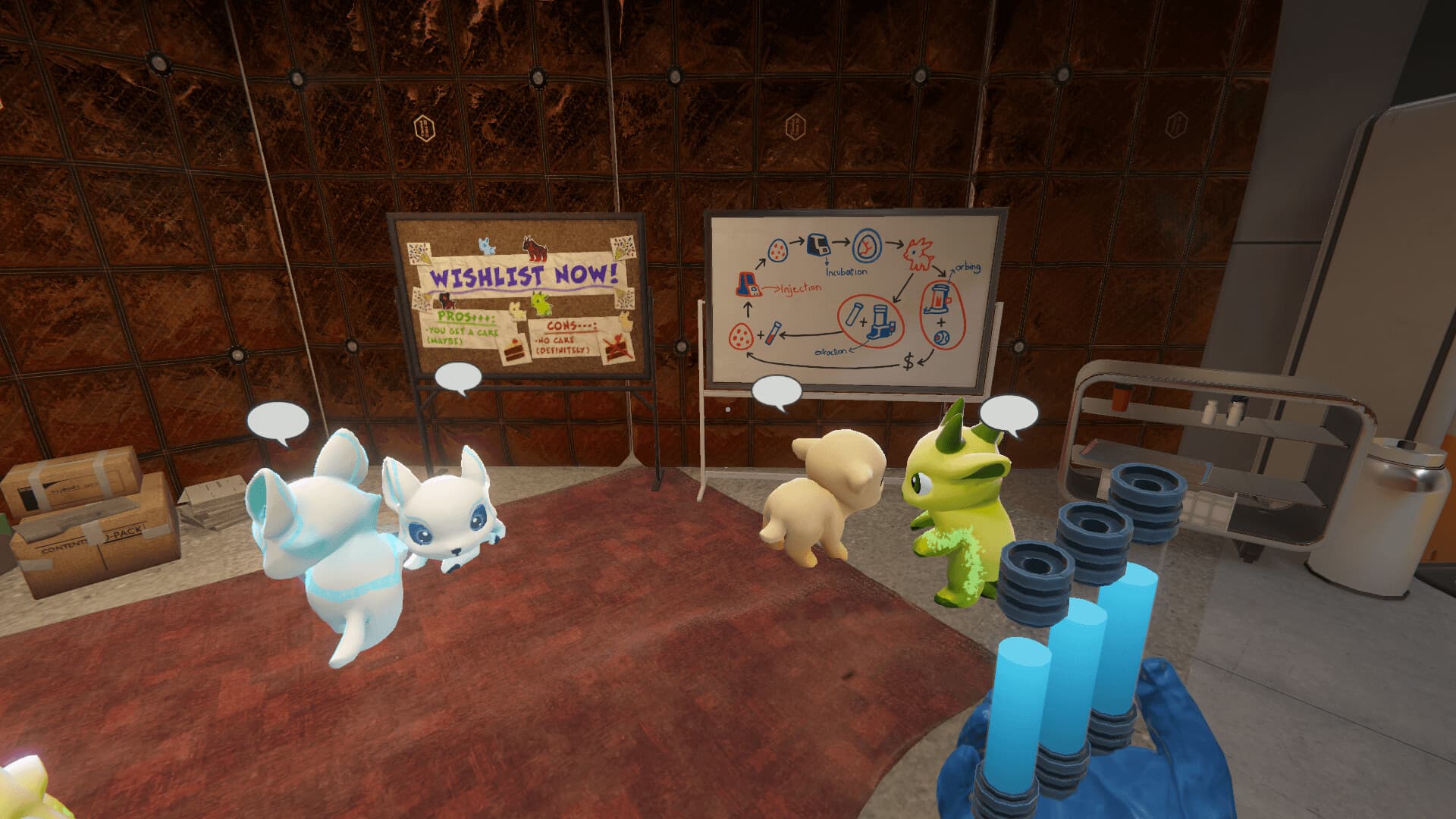
Full roster view: use this screen to decide which Fulus to orb, rest, or rotate.
Weekly Care Checklist
- Orb every Fulu that anchors your battle or order pipeline.
- Replace exhausted teams with rested backups before tournaments.
- Log new synthesis outcomes alongside care notes and game version.
- Resolve hygiene alerts before running long synthesis queues.
- Retire or sell low-impact Fulus to keep storage manageable.