Lab Notes #02: Synthesis, Pets, and Boss/Tournament Route (Early Access)
This Lab Notes entry documents a repeatable Early Access route as of 2026-02-21. The goal is simple: connect synthesis → pet care → fusion → economy → battles into a loop you can run every session. Treat all numbers and drop rates as unverifieduntil you confirm them in your current build. You will see a synthesis logging method, a pet family plan, a boss/tournament prep checklist, and a 60-minute daily routine that stays useful across patches.
1) Synthesis & Recipes: Deterministic Slots + Logging Wins
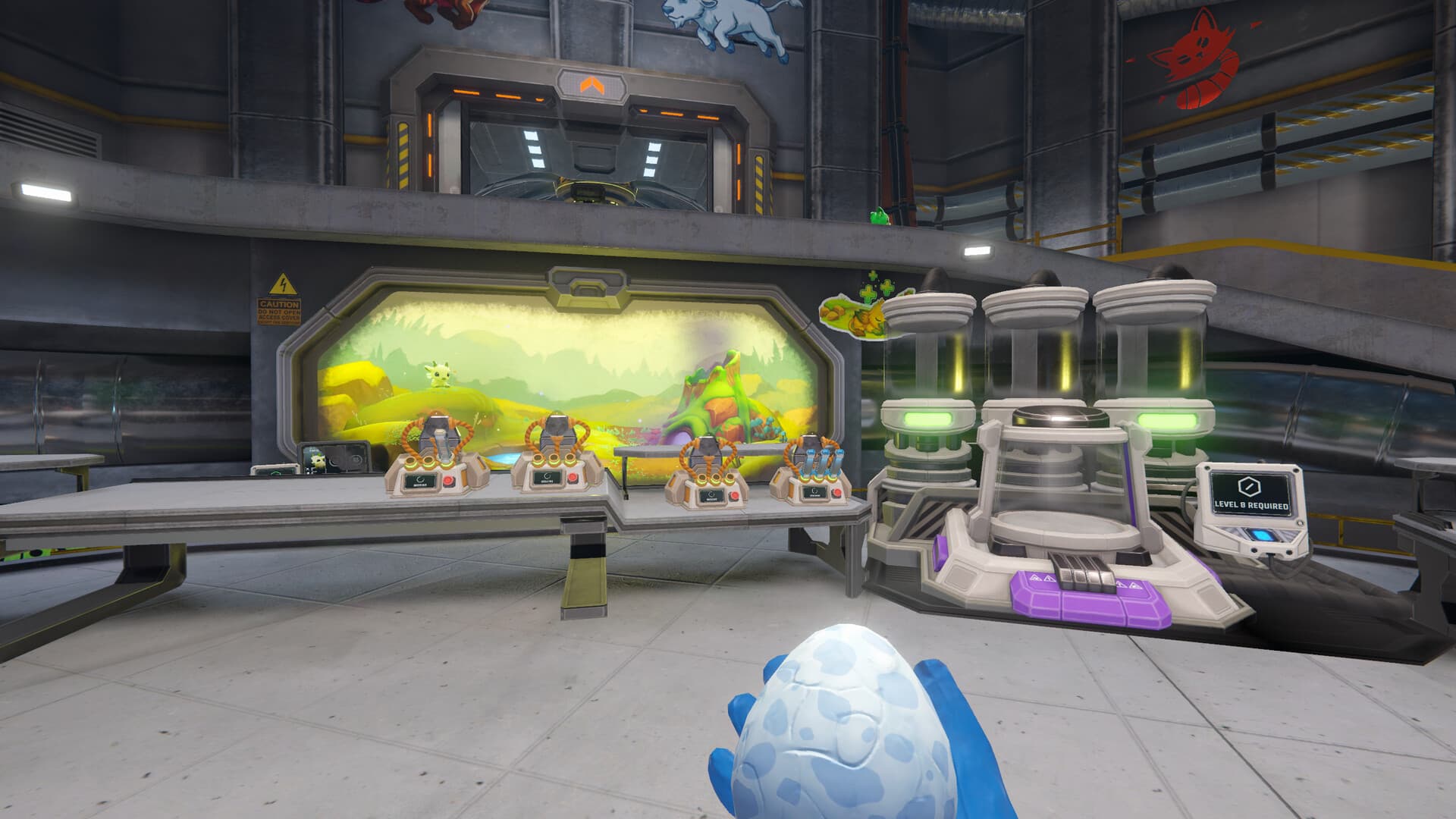
The synthesis system is built on a three-slot essence recipe. The same trio tends to output the same result, which means memory and logging matter more than raw trial volume. Start your recipe journal on day one: record the essence trio, output Fulu, element, stage, date, and build number. That habit turns guesswork into a repeatable production lane and makes it easier to spot when a patch invalidates your old data.
- Record every run: essence trio, output name, element/stage, and version.
- Cross-check with the Breeding Calculator to avoid duplicate trials.
- Mark any one-off result as Unverified until you reproduce it.
2) Pets & Family Route: Coverage First, Rarity Second
Official notes reference 20 planned families. That means your early priority is not “the rarest,” but element coverage and family slots. Aim to cover 3–4 elements early so battles and orders do not stall. Once you have a stable synthesis chain, shift resources into rare or high-value families.
Orbs are the second pillar. Orbing your core Fulus preserves both combat and economic value. It stabilizes your roster and protects your best units from risky experiments or fusion tests.
3) Fusion & Evolution: Three-into-One Must Serve the Pipeline
Fusion is a three-into-one evolution path. The correct way to use it is simple: confirm which orders or battles you need to support first, then fuse only your surplus stock. Do not merge away your last reliable order Fulu, and avoid expensive fusion tests when cashflow is tight.
- Lock your core production lane before any fusion attempt.
- Check active orders to avoid merging critical outputs.
- Require fusion results to repay essence costs before scaling.
4) Economy & Orders: Cashflow First, Orders Are the Engine
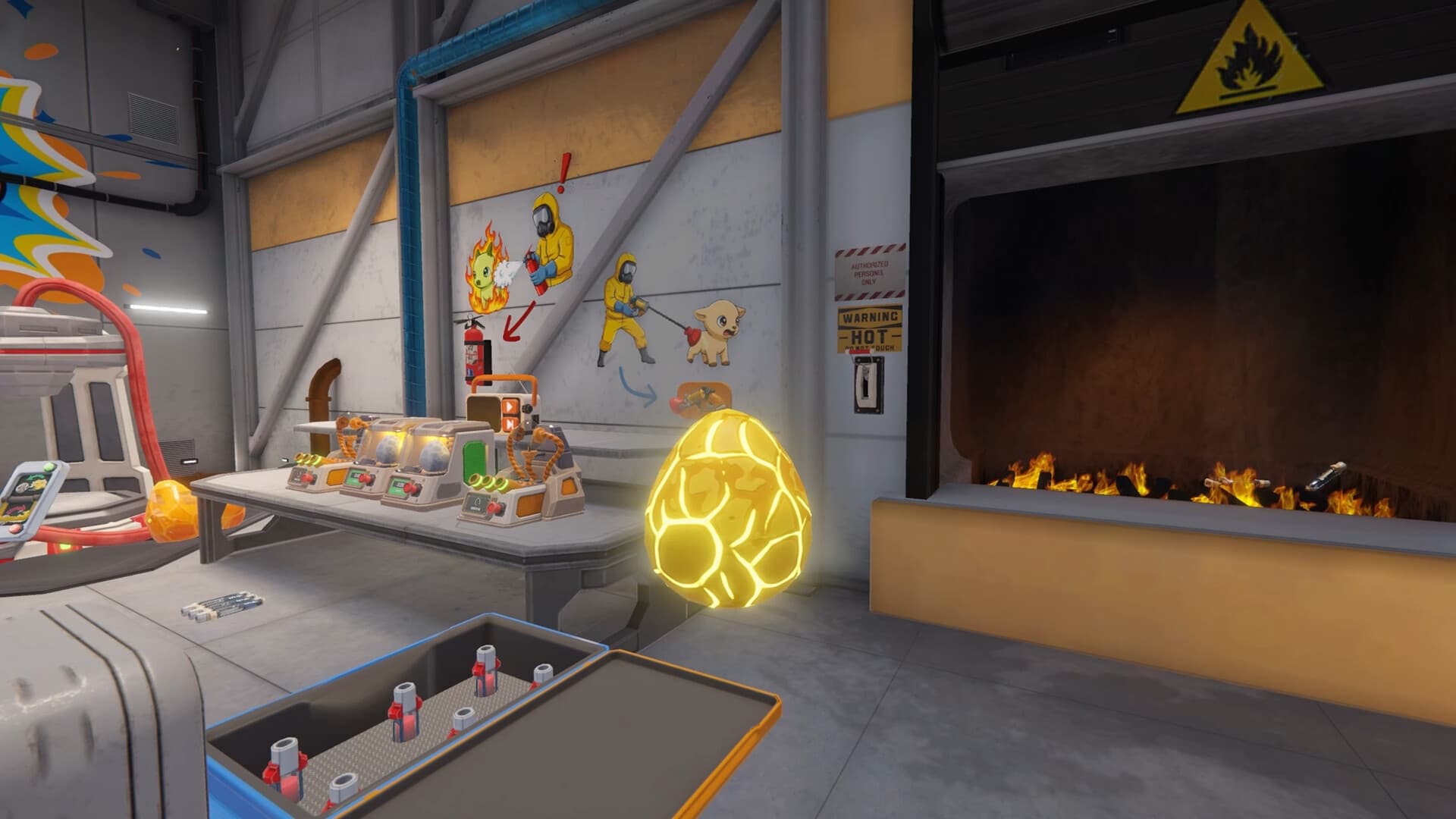
Early Access economy is order-driven production. Orders fund your machines, expand your lab, and unlock new synthesis lanes. The goal is not to accept every order — it is to accept the orders you can reliably finish without breaking your essence budget.
- Split orders into “stable” vs “high-risk high-reward.”
- Clear orders first each session, then restock essences.
- Expand only after your cashflow is steady.
5) Boss & Tournament Prep: Battles Test the Entire Lab
Official descriptions highlight turn-based battles, tournaments, and legendary fights. That means combat is not a side feature — it is the stress test for your synthesis and economy loop. Use a simple prep checklist before boss runs or tournament brackets.
- Maintain at least one element-covered core team.
- Keep 1–2 bench slots to avoid single-element lockouts.
- Recover immediately after each battle set.
- Log version numbers and outcomes for future validation.
6) Habitats & Layout: Recovery Tempo Wins Battles
Habitats are not decoration. Matching element habitats accelerate recovery and directly impact how often you can enter tournaments. Layout tip: keep synthesis, incubation, and orders in a straight line, then place habitats along the return path. You reduce movement waste and recover teams without extra micromanagement.

7) The 60-Minute Repeatable Loop (Early Access)
- Open the order board and select 2–4 orders you can finish this session.
- Run one reliable synthesis batch to stabilize cashflow.
- Run 1–2 experimental recipes and log the results.
- Sell or orb excess outputs to keep storage clean.
- Run 1–2 battle tests to probe element counters.
- Move exhausted teams into matching habitats.
- Update your log with version numbers and outcomes.
The value of this loop is repeatability. It does not depend on any single drop rate. It keeps your time focused on logging, validating, optimizing, and reviewing — all things that remain useful across patches.
Note: All mechanics here are based on Early Access information and community validation. Always verify numbers in your current build. If synthesis outputs, boss rules, or tournament mechanics change, submit screenshots and build numbers so the wiki can update.
Related: Synthesis System, Fulu Care & Training, Bosses Tracker.